Call us now :08045800753
 Send Inquiry
 Send Inquiry
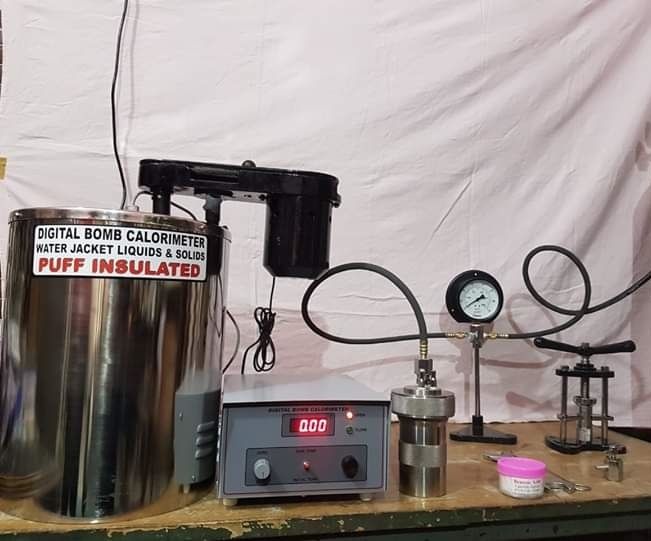
Bomb Calorimeter Digital & Microprocessor (with Safety Device)
Bomb Calorimeter Digital & Microprocessor (with Safety Device) Specification
- Number of Specimens
- Single per Test
- Features
- Safety Device, Auto Calibration, Data Storage
- Hardness
- Pressure Vessel: Hardened Steel
- Accuracy
- 0.2% of reading
- Temperature
- Ambient, up to 40C
- Response Time
- Instantaneous (Microprocessor) to <2 sec
- Application
- Gross calorific value determination of solids/liquids
- Power Supply
- 230V AC, 50Hz
- Display Type
- Digital LED/LCD Display
- Interface Type
- USB/RS232 Compatible
- Max Height
- Approx. 500mm
- Equipment Type
- Bomb Calorimeter Digital & Microprocessor
- Operating Voltage
- 230V AC
- Mounting Type
- Bench-top
- Automation Grade
- Automatic/Microprocessor
- Test Range
- Up to 10,000 Cal/g
- Resolution
- 0.01 Cal/g
- Frequency
- 50Hz
- Gas Pressure
- Up to 30 atm (Explosion Chamber)
- Measuring Range
- 0 10,000 Cal/g
- Humidity
- 10% 90% RH operating
- Port Size
- Standard Bomb Assembly Port
- Specimen Size
- 1-2 gm (Pellet or Powder)
- Usage
- Laboratory Analysis
- Capacity
- Approx. 350 ml (Bomb Volume)
- Machine Weight
- Approx. 12 Kg
- Control Mode
- Microprocessor Controlled
- Compliance
- IS:1350/ISO 1928
- Software
- PC Software interface for data logging
- Stirring Motor
- Heavy Duty, Low Noise
- Fuse Wire Material
- Nickel Chromium
- Calorimeter Vessel Material
- Stainless Steel (SS304/SS316)
- Calibration
- Factory Calibrated, User Calibration Support
- Dimension
- Approx. 500mm (H) x 350mm (W) x 300mm (D)
- Safety Device
- Pressure Release Mechanism & Overpressure Sensor
- Cooling System
- Ambient/External Chiller Optional
- Bomb Design
- Removable, corrosion-resistant bomb
- Operating Environment
- Laboratory, clean and dry area
Bomb Calorimeter Digital & Microprocessor (with Safety Device) About
Bomb Calorimeter Digital & Microprocessor (with Safety Device)
Supplied with, Bomb Calorimeter Vessel with Bomb Support, Water Jacket and combined lid for calorimeter Vessel and water jacket, stirrer, connecting leads, connecting tube to connect bomb and pressure gauge & working manual.
Advanced Safety and Construction
Outfitted with a built-in pressure release mechanism and overpressure sensor, the calorimeter ensures operator safety during high-pressure experiments. The corrosion-resistant, stainless steel vessel and removable bomb design optimize durability and ease of maintenance. These features meet stringent IS:1350 and ISO 1928 standards, guaranteeing reliable and safe operation in laboratory settings.
Precision Measurement and Control
Microprocessor control and factory calibration achieve accurate results within 0.2% of the reading, with a high-resolution digital display (0.01 Cal/g). The system responds in less than two seconds and accommodates both user calibration and automated data logging through intuitive PC software. Specimens of 12 grams can be measured rapidly, supporting diverse laboratory requirements.
Ease of Use and Data Management
Automatic operation, user-friendly interface, and versatile data transfer options (USB/RS232) make the calorimeter suitable for routine laboratory analysis. Data storage and instant response streamline workflows, while bench-top mounting conserves laboratory space. The ambient/external chiller ensures consistent performance, and built-in features promote straightforward usage and user productivity.
FAQs of Bomb Calorimeter Digital & Microprocessor (with Safety Device):
Q: How does the safety device protect users during calorimetric tests?
A: The bomb calorimeter is equipped with a dedicated pressure release mechanism and overpressure sensor. These features actively monitor and manage the internal pressure, releasing excess to prevent accidents. This advanced safety design complies with IS:1350/ISO 1928 standards, ensuring that laboratory personnel remain protected during high-pressure experiments.Q: What materials are used for the calorimeter vessel and bomb, and why?
A: The calorimeter vessel is constructed from SS304/SS316-grade stainless steel, ensuring corrosion resistance, durability, and easy cleaning. The bomb itself is removable and corrosion-resistant, which extends its operational life and maintains the integrity of your analyses even after repeated use in rigorous laboratory conditions.Q: When should user calibration be performed, and how is it handled?
A: User calibration is typically recommended when there is a change of application, after significant servicing, or to meet specific regulatory requirements. The system supports both factory calibration and user calibration, which can be initiated via the microprocessor interface, ensuring consistent accuracy and reliability throughout its use.Q: Where should the bomb calorimeter be operated for optimal performance?
A: For optimal and safe performance, operate the bomb calorimeter in a clean and dry laboratory environment with ambient temperature conditions (up to 40C) and relative humidity between 10% and 90%. Adequate bench space is necessary to accommodate its approximately 500mm height and 12 kg weight.Q: What is the process for performing a measurement with this calorimeter?
A: Load a 1-2 gram pellet or powder sample into the corrosion-resistant bomb, assemble and place it into the vessel, and initiate the test via the digital microprocessor controls. The calorimeter measures the gross calorific value, logs data through PC software, and displays the result instantaneously with up to 0.01 Cal/g resolution.Q: What are the primary benefits of using this microprocessor-controlled bomb calorimeter?
A: Key benefits include high measurement accuracy (0.2%), robust safety features, rapid response time (<2 seconds), automatic operation, and efficient data management through PC-based software. These features make it ideal for routine calorific testing and compliance with international quality standards.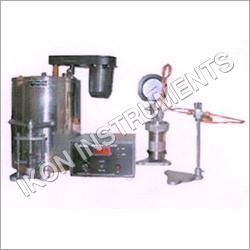
Tell us about your requirement

Price:
Quantity
Select Unit
- 50
- 100
- 200
- 250
- 500
- 1000+
Additional detail
Mobile number
Email

More Products in Analytical Equipment Category
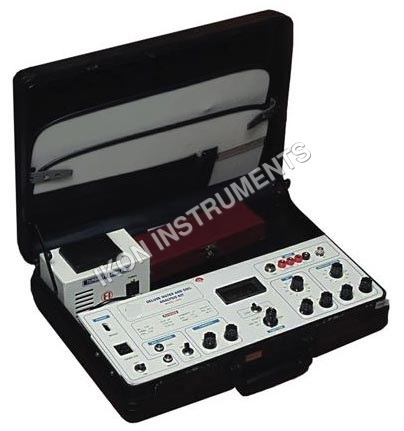
Electronic Water Soil Analyser Kit
Humidity : 0 90% RH, noncondensing
Usage : Laboratory/Field Testing
Machine Weight : 2.8 kg
Specimen Size : Variable (probe insertion)
Resolution : pH: 0.01, EC: 0.01 mS/cm, TDS: 1 ppm, Temp: 0.1C
Frequency : 50 Hz
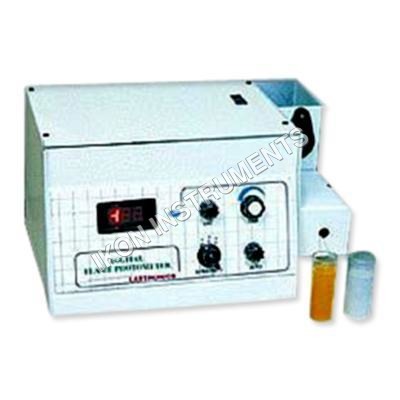
Flame Photometer (Digital and Microprocessor)
Humidity : 15% to 80% RH
Usage : Laboratory
Machine Weight : 7 Kg (approx.)
Specimen Size : 2 ml (typical sample volume)
Resolution : 0.1 ppm
Frequency : 50 Hz
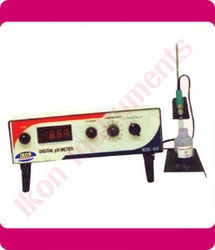
pH Meter (Digital/Microprocessor)
Humidity : 095% RH (noncondensing)
Usage : pH measurement, Laboratory applications
Machine Weight : 2.5 kg
Specimen Size : Compatible with standard glass electrodes
Resolution : 0.01 pH
Frequency : 50 Hz
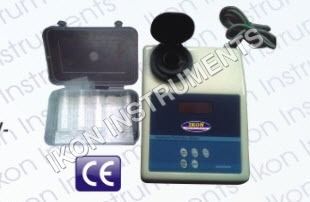
Nephelo Meter
Humidity : Up to 80% RH
Usage : Lab/Industrial
Machine Weight : Approx 3.5 kg
Specimen Size : Up to 25 mm diameter test tube
Resolution : 0.01 NTU
Frequency : 50 Hz

Correspondence Address
C-241, Jhilmil Colony, Delhi - 110095
 Send Inquiry
Our Products
- Laboratory Equipments
- Seed Testing Equipments
- Food Processing Machine
- Pharmaceutical Machines
- Analytical Equipments
- other
- Autoclaves
- Incubators
- Water Baths
- Laboratory Cabinets, Freezers & Dryers
- Shakers, Grinders & Stirrers
- Ovens
- Furnace & Melting Point
- Refractometers, Moisture Balance & Polarimeter
- Clean Air Equipments
- Vacuum Rotary Evaporator Distillations & Digestion
- Laboratory Miscellaneous
- Moisture Meter
- Dividers
- Dryers
- Blowers
- Seed Counter
- Rice Miller
- Sample Sheller
- Miscellaneous
- Canning & Sealing Units
- Fruits/Vegetable Juices
- Dicing, Peelers & Slicers
- Paste Making Machine
- Kettles & Boilers
- Filling Machines
- Capsule Machines
- Dissolution Rate Test Equipment
- Disintegration Test Apparatus For Tablets
- Bulk Density Apparatus
- Tablet Machines
- Blenders & Mixers
- Pharmaceuticals Miscellaneous
- Analytical Equipment
- Digital Timer
- Extraction Machine


Registered Office :- C-241, Jhilmil Colony, Delhi - 110095, India

Mrs Nidhi Sharma
(Proprietor)
Mobile :08045800753
 Send Inquiry
 Send SMS
Developed and Managed by Infocom Network Private Limited.
