Call us now :08045800753
 Send Inquiry
 Send Inquiry
Abbe Refractometer
Abbe Refractometer Specification
- Display Type
- Analog Scale with Vernier
- Power Supply
- Not required; manual apparatus
- Accuracy
- ±0.0002 RI
- Temperature Resistance
- Ambient to 100°C (with external water bath)
- Shape
- Rectangular base with turret assembly
- Speed Range
- Manual Measurement
- Glass Type
- High-quality Optical Glass Prism
- Features
- Built-in thermometer, adjustable mirror, easy calibration, sturdy design
- Control Type
- Manual
- Type
- Abbe Refractometer
- Dimension (L*W*H)
- 270 x 170 x 370 mm (approx.)
- Equipment Type
- Laboratory Instrument
- Equipment Materials
- Metal & Optical Glass
- Power
- No external power required (manual operation)
- Material
- Stainless Steel/Aluminium with Glass Prism
- Application
- Measurement of refractive index of liquids and solids
- Brix Range
- 0 - 95% (with conversion)
- Finish
- Powder coated body
- Light Source
- Daylight or external light
- Resolution
- 0.0001 RI
- Measuring Range (Refractive Index)
- 1.3000 to 1.7000 RI
- Thermometer Range
- 0°C to 70°C (integrated thermometer)
- Weight
- Approx. 4 kg
- Calibration
- Via distilled water and sucrose solution
- Usage
- For food & beverage, chemical, pharmaceutical, and research industries
- Prism Material
- Hard Glass
- Operation
- Simple manual operation
- Sample Volume Required
- 1-2 drops
Abbe Refractometer About
Abbe Refractometer
Sugar percentage range of 0 to 95% with an accuracy of 1% on scale and 0.1 by estimation can be measured. Complete with test piece, contact liquid and thermometer in wooden cabinet.
Versatile Measurement Capability
Designed to measure both the refractive index and Brix of a wide array of samples, this Abbe Refractometer caters to industries such as food and beverage, chemical, pharmaceutical, and academic research. With its broad measuring range and high resolution, it delivers detailed analysis for quality control and research purposes alike.
User-Friendly Manual Operation
Built for simplicity, this device requires no external power source, letting you operate it manually anywhere with ample daylight or an external light source. Its compact designmeasuring approximately 270 x 170 x 370 mmmakes it easy to position on any lab bench without hassle.
Robust Construction for Reliability
The refractometer comes with a sturdy powder-coated finish and is crafted with stainless steel, aluminium, and optical glass, ensuring long-term durability and resistance to corrosion. Its turret assembly and adjustable mirror add to the ease of use and consistent performance.
FAQs of Abbe Refractometer:
Q: How do I calibrate the Abbe Refractometer for accurate measurements?
A: Calibration is performed using distilled water or a sucrose solution. Place a drop on the prism, adjust using the calibration knob until the scale reads the known refractive index, and your instrument is set for accurate results.Q: What is the sample volume required for each measurement?
A: The Abbe Refractometer requires only 12 drops of your liquid or finely ground solid sample to produce precise readings, minimizing wastage and enabling frequent testing.Q: Where can I use this refractometer given it doesnt require external power?
A: You can operate the refractometer anywhere with adequate daylight or an external light source, such as laboratories, manufacturing lines, or research facilities, since it does not depend on electricity.Q: What industries benefit most from using this refractometer?
A: This instrument is particularly beneficial in food and beverage manufacturing, chemical processing, pharmaceutical production, and research environments where accurate refractive index and concentration measurements are critical.Q: How does the built-in thermometer assist the measurement process?
A: The integrated thermometer monitors the samples temperature between 0C and 70C, enabling compensation for temperature effects and ensuring greater accuracy in your readings.Q: Whats the process for measuring a sample with this device?
A: Simply apply 12 drops of your sample on the prism, close the cover, and view the scale through the eyepiece while adjusting the mirror for optimal illumination, then read the analog value from the vernier scale.Q: What are the advantages of the devices construction materials?
A: The combination of stainless steel, aluminium, and optical glass ensures robustness, chemical resistance, and high optical clarity, leading to consistent performance and a long operational life.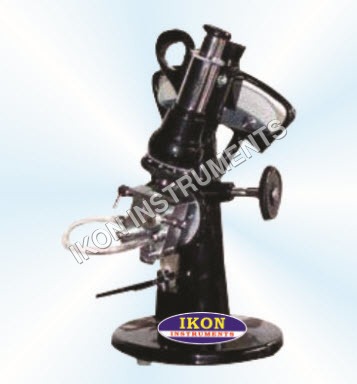
Tell us about your requirement

Price:
Quantity
Select Unit
- 50
- 100
- 200
- 250
- 500
- 1000+
Additional detail
Mobile number
Email

More Products in Refractometers, Moisture Balance & Polarimeter Category
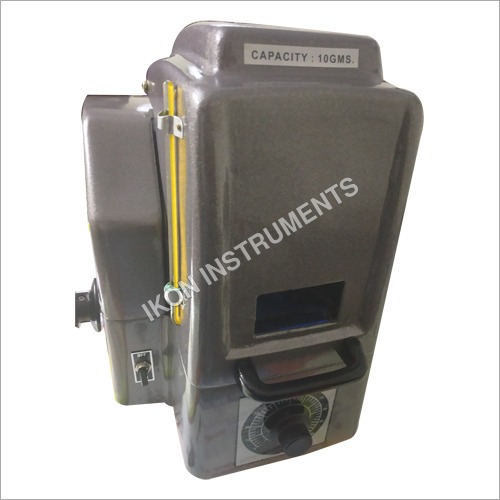
Infra Red Moisture Balance
Glass Type : Heat Resistant Glass
Features : Simple Operation, Accurate Measurement, Portable, Fast Result
Dimension (L*W*H) : 345 mm x 330 mm x 395 mm
Type : Other, Infra Red Moisture Balance
Material : Mild Steel and Aluminium
Control Type : Manual/Analog

Research Polarimeter
Glass Type : High transmittance optical glass
Features : Easy sample loading, adjustable observation field, maintenancefree
Dimension (L*W*H) : 420 x 175 x 340 mm
Type : Other, Research Polarimeter
Material : Robust metal and glass construction
Control Type : Manual
Butyro Refractometer (Oil & Sugar)
Glass Type : HighGrade Optical Glass
Features : Portable, Lightweight, Precise Measurement, Durable, Easy to Use
Dimension (L*W*H) : 160 mm x 40 mm x 40 mm
Type : Other, Butyro Refractometer (Oil & Sugar)
Material : Aluminum, Optical Glass
Control Type : Manual
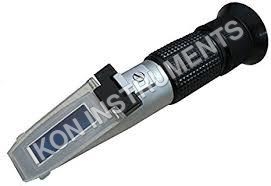
Hand Refractometer (Brix Meter)
Glass Type : Optical Glass Prism
Features : Automatic Temperature Compensation (ATC), Portable, Easy to Use
Dimension (L*W*H) : 27 x 4 x 4 cm (approx.)
Type : Other, Handheld
Material : Aluminum Alloy and Optical Glass
Control Type : Manual

Correspondence Address
C-241, Jhilmil Colony, Delhi - 110095
 Send Inquiry
Our Products
- Laboratory Equipments
- Seed Testing Equipments
- Food Processing Machine
- Pharmaceutical Machines
- Analytical Equipments
- other
- Autoclaves
- Incubators
- Water Baths
- Laboratory Cabinets, Freezers & Dryers
- Shakers, Grinders & Stirrers
- Ovens
- Furnace & Melting Point
- Refractometers, Moisture Balance & Polarimeter
- Clean Air Equipments
- Vacuum Rotary Evaporator Distillations & Digestion
- Laboratory Miscellaneous
- Moisture Meter
- Dividers
- Dryers
- Blowers
- Seed Counter
- Rice Miller
- Sample Sheller
- Miscellaneous
- Canning & Sealing Units
- Fruits/Vegetable Juices
- Dicing, Peelers & Slicers
- Paste Making Machine
- Kettles & Boilers
- Filling Machines
- Capsule Machines
- Dissolution Rate Test Equipment
- Disintegration Test Apparatus For Tablets
- Bulk Density Apparatus
- Tablet Machines
- Blenders & Mixers
- Pharmaceuticals Miscellaneous
- Analytical Equipment
- Digital Timer
- Extraction Machine


Registered Office :- C-241, Jhilmil Colony, Delhi - 110095, India

Mrs Nidhi Sharma
(Proprietor)
Mobile :08045800753
 Send Inquiry
 Send SMS
Developed and Managed by Infocom Network Private Limited.
